Professional Residential Electrician for Sound and Efficient Resolutions
A seasoned residential electrician maintains a key role in safeguarding the reliability and optimal operation of electrical systems in homes. These trained technicians are competent to carry out installations, repairs, and upgrades, ensuring compliance with electrical codes and local codes. Prevalent issues, including flickering lights or faulty circuits, regularly require expert care. Recognizing the scope of their work raises important concerns about safety, reliability, and the long-term health of a residence's electrical system. What should dwelling owners reflect on before hiring?
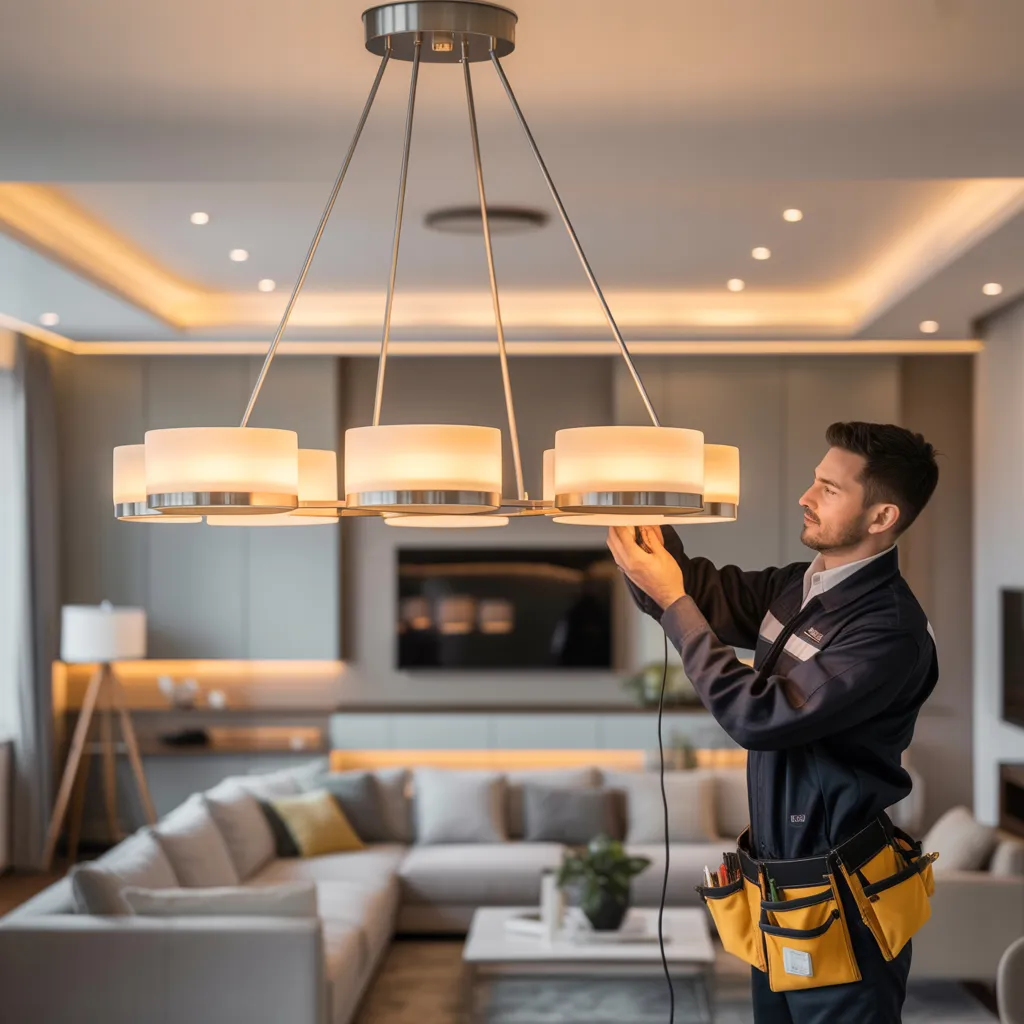
What Exactly Is the Role of a Residential Electrician In Reality?
A residential electrician focuses on the setup, upkeep, and fixing of electrical systems within homes. Their main duties include wiring, circuit installation, and the setup of lighting fixtures. They also troubleshoot electrical issues, guaranteeing that systems operate efficiently and safely.
Besides these tasks, residential electricians conduct routine inspections to pinpoint potential risks and verify compliance with relevant codes. They commonly improve existing systems to support new appliances or technology, thereby maximizing a home's performance.
Furthermore, they provide valuable advisory support, guiding homeowners on sustainable energy options and innovative electrical designs. A residential electrician also works together with other contractors during remodeling projects or building developments, ensuring that electrical work integrates seamlessly with other elements of the project. By utilizing specialized tools and adhering to industry standards, they play an essential role in preserving a safe and reliable electrical environment in residential settings.
Safety Standards in Electrical Tasks: Key Facts for Homeowners
How can homeowners guarantee their power infrastructure stay safe and compliant? Understanding safety requirements is vital. Electrical codes, such as the National Electrical Code (NEC), function as a guideline for safe setups and practices. Property owners should verify their systems comply with these standards to reduce risks of fire hazards and electrical shock.
Routine inspections by a certified electrician can help detect potential risks. Electricians are qualified to adhere to local regulations and implement safety measures. Homeowners should also be aware of proper load capacities to prevent overload, which can lead to overheating.
In addition, applying certified products and materials is necessary for sustaining safety. Homeowners must stress the installation of GFCI outlets in wet areas and ensure smoke detectors are in good condition. By staying aware and action-oriented about power safety requirements, homeowners can substantially reduce risks and create a secure residential space.
Frequent Electrical Complications and How Specialists Fix Them
Homeowners commonly encounter multiple electrical issues that can create hazards to safety and functionality. Common problems include flickering lights, breakers that trip, and non-functioning outlets. These problems can be caused by outdated wiring, circuits carrying too much load, or defective devices.
Power surges are another common issue that can damage gadgets and equipment. GFCIs (Ground fault circuit interrupters) may also malfunction, creating hazards in wet areas like kitchens and bathrooms.
Technicians pinpoint these problems by performing extensive inspections, examining wiring integrity, and analyzing the load on circuits. They apply cutting-edge tools to uncover hidden problems and guarantee adherence with regulatory standards.
How to Handle Frequent Electrical Problems With Professional Support
Skilled electricians are often required to handle common electrical issues. Lights that flicker, frequent circuit breaker tripping, and malfunctioning outlets are problems that can signal underlying electrical faults. Engaging a certified electrician guarantees these issues are diagnosed accurately and resolved safely.
Flickering Lights Solutions delivering credible fixes
Flickering lights can interrupt the comfort of any home, signaling potential electrical faults that need immediate attention. This common problem often points to loose connections, faulty switches, or inadequate wattage. Homeowners should first check if the flickering happens with selected bulbs or throughout the entire house. If it is isolated, replacing the bulb may solve the issue. However, persistent flickering means consultation with a professional residential electrician, who can accurately diagnose and address underlying problems. A qualified electrician will inspect wiring, analyze circuit loads, and guarantee all connections are secure. Addressing flickering lights promptly not only recovers peace but also enhances safety, preventing potential hazards like electrical fires. Professional intervention provides peace of mind and long-term solutions.
Reasons for Circuit Breaker Tripping
Frequent circuit breaker activation can indicate hidden electrical issues that may present hazards. Typical reasons include circuits with excessive load, where too many devices consume electricity from a single source, causing overheating and tripping. Additionally, short circuits can occur when wires become compromised or frayed, creating a direct path for electricity that skips normal resistance. Ground faults, which happen when a live wire touches a grounded surface, are also problematic. Finally, aging circuit breakers may fail to function properly due to wear and tear. Recognizing these issues
Outlet Dysfunction Diagnosis
Grasping the potential problems related to circuit breakers naturally highlights the importance of troubleshooting outlet malfunctions. Outlet issues can occur as flickering lights, non-working devices, or odd noises from the outlet itself. These signs often point to underlying electrical issues that need professional assessment. A qualified electrician will start by inspecting the circuit for overloads, loose connections, or faulty wiring. They may also verify proper grounding and voltage levels to ensure safety. Addressing such malfunctions quickly is vital, because neglect can cause more dangerous hazards, including electrical fires. Using a professional guarantees that homeowners' electrical systems operate effectively and safely, protecting both their property and peace of mind.
Why Engage an Expert for Electrical Upgrades?
Upgrading electrical systems can greatly enhance a home's security and efficiency, making professional help vital. Homeowners often miscalculate the complexities involved in electrical upgrades, which can lead to costly mistakes or hazardous situations. Professional electricians possess the necessary training and experience to navigate local codes and regulations, ensuring that upgrades are secure and regulation-compliant.
In addition, consultants can assess a home's distinct power requirements, presenting bespoke options that optimize efficiency and energy savings. They are outfitted with the right tools and knowledge to handle probable obstacles, such as worn electrical lines or inadequate electrical load. This skill not only mitigates risks but also strengthens the durability and steadiness of the power grid.
In the end, hiring a qualified electrician for enhancements not only safeguards a home but also get the full story offers peace of mind, understanding that the work is correctly and efficiently executed, thereby increasing the value in the property.
What to Expect During Your Electrical Assessment?
During an circuit system assessment, homeowners can expect a full assessment informed by a routine list that identifies critical parts of their system. Inspectors will assess observance of safety guidelines to guarantee the power distribution is effective and safe. Knowing these standards assists residents prepare for a constructive inspection meeting.
Routine Inspection Guideline Items
A meticulous electrical review normally involves several essential inspection elements that confirm well-being and adherence with regulations. Inspectors regularly begin by looking at the service panel for proper ground connections and stable contacts. They inspect cable work for any marks of wear, injury, or improper arrangement. Protection devices and fuses are evaluated to make sure they are functioning correctly and adequately suitable for the power load. In addition, outlets and electrical switches are inspected to confirm they are earthed properly and without any defects. Fire detection devices and poisonous gas detectors are likewise tested for proper operation. In the end, the evaluator surveys any adjustments or supplements to the electrical system to verify they adhere to local codes and benchmarks, ensuring the general safety of the the building's electrical framework.
Safety Standards Compliance Overview
After detailed inspection checklist, understanding safety standards compliance is vital for property owners. Compliance with safety standards for electrical work guarantees that electrical installations satisfy both national and local codes, minimizing risks associated with electrical hazards. Property owners can anticipate the electrical professional to check proper grounding, circuit integrity, and the use of certified materials. Moreover, compliance with the National Electrical Code (NEC) is critical, as it establishes the basic safety requirements for electrical systems. Throughout the inspection process, electricians will assess the operation of smoke detectors and carbon monoxide alarms, verifying they function correctly. By emphasizing safety standards, homeowners not only protect their home but also safeguard the health of their families. Ultimately, compliance fosters confidence in electrical work and encourages sustained safety.
How to Pick the Right Electrician for Your Home
Finding the ideal electrical contractor for your house can feel daunting—what factors should one think about? First, validating qualifications is vital. A qualified electrical specialist confirms that they have achieved the mandatory education and benchmarks. Homeowners should also look into insurance, as this guards against unforeseen risks during the task.
Experience serves as another key necessity; professionals with a solid track record are often more competent at dealing with various issues. Looking at reviews and receiving suggestions can furnish information into their consistency and quality of work.
Moreover, collecting different estimates helps homeowners weigh costs and options, verifying they obtain a just price. Communication skills are comparably important; an electrician should be able to present issues and solutions clearly.
Finally, determining their familiarity with local requirements and regulations can prevent future complications. By methodically analyzing these factors, homeowners can make an educated choice, finally securing safety and performance in their electrical projects.
Regularly Asked Questions
What Fee Should You Anticipate When Employing a Residential Electrician?
Hiring a residential electrician usually runs somewhere in the range of $50 to $100 per hour, influenced by your area and how complex the work is. Supplementary charges could be added for supplies and emergency services, altering your overall cost.
What timeline for an electrical task generally?
An electrical undertaking generally requires a few hours to several days, depending on its complexity and scope. Simple repairs may demand little time, while larger installations or renovations can considerably extend the duration.
What Requirements Should I Search for in an Electrician?
When looking for an electrician, one should emphasize qualifications such as proper licensing, coverage, applicable expertise, and positive customer reviews. Additionally, qualifications in specialized areas can enhance their credibility and ensure quality workmanship.
Can You Find Urgent Electric Services?
Emergency electrical support is certainly obtainable. Many electricians deliver 24/7 support for critical concerns, guaranteeing quick response times and fixes to reestablish security and operation. Residents should verify accessibility and turnaround before crises develop.
Can I be Allowed to Do Electrical Projects on My Own According to Law?
In many jurisdictions, property owners can legally perform electrical work on their own properties, but regulations are inconsistent. It's fundamental to consult local codes and safety standards to maintain compliance and reduce potential hazards or fines.